







Current Logistics Trends Businesses Should Pay Attention To
The logistics industry is evolving rapidly, driven by technology, changes in global trade, and growing demands for speed, transparency, and adaptability. In this environment, businesses need to keep up with emerging trends to build supply chains that are more flexible, efficient, and resilient.
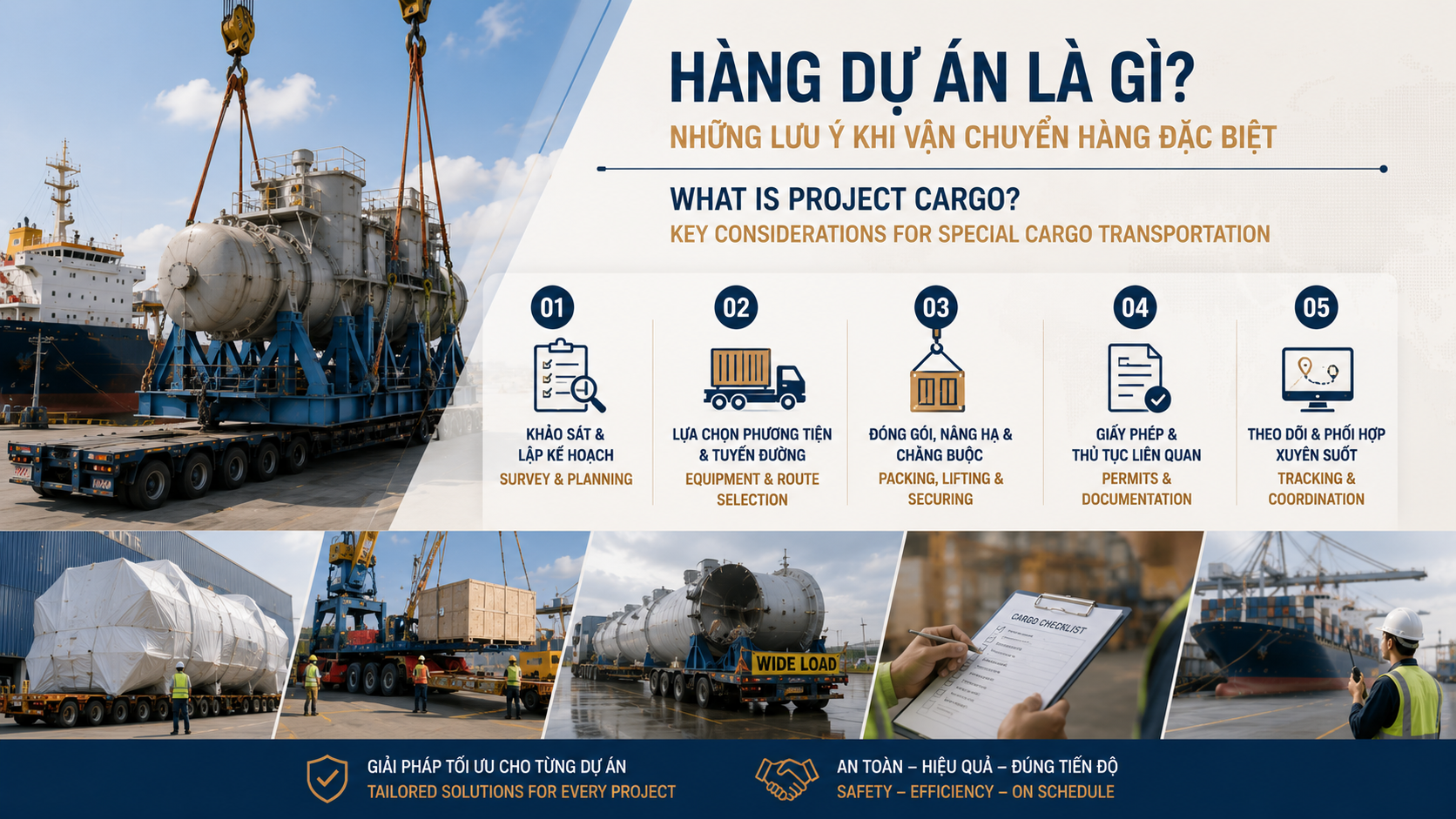
What Is Project Cargo? Key Considerations for Special Cargo Transportation
Learn about project cargo and requirements for special cargo transportation.

Warehousing Solutions That Optimize Business Operations
The role of warehousing in supply chain and logistics operations.
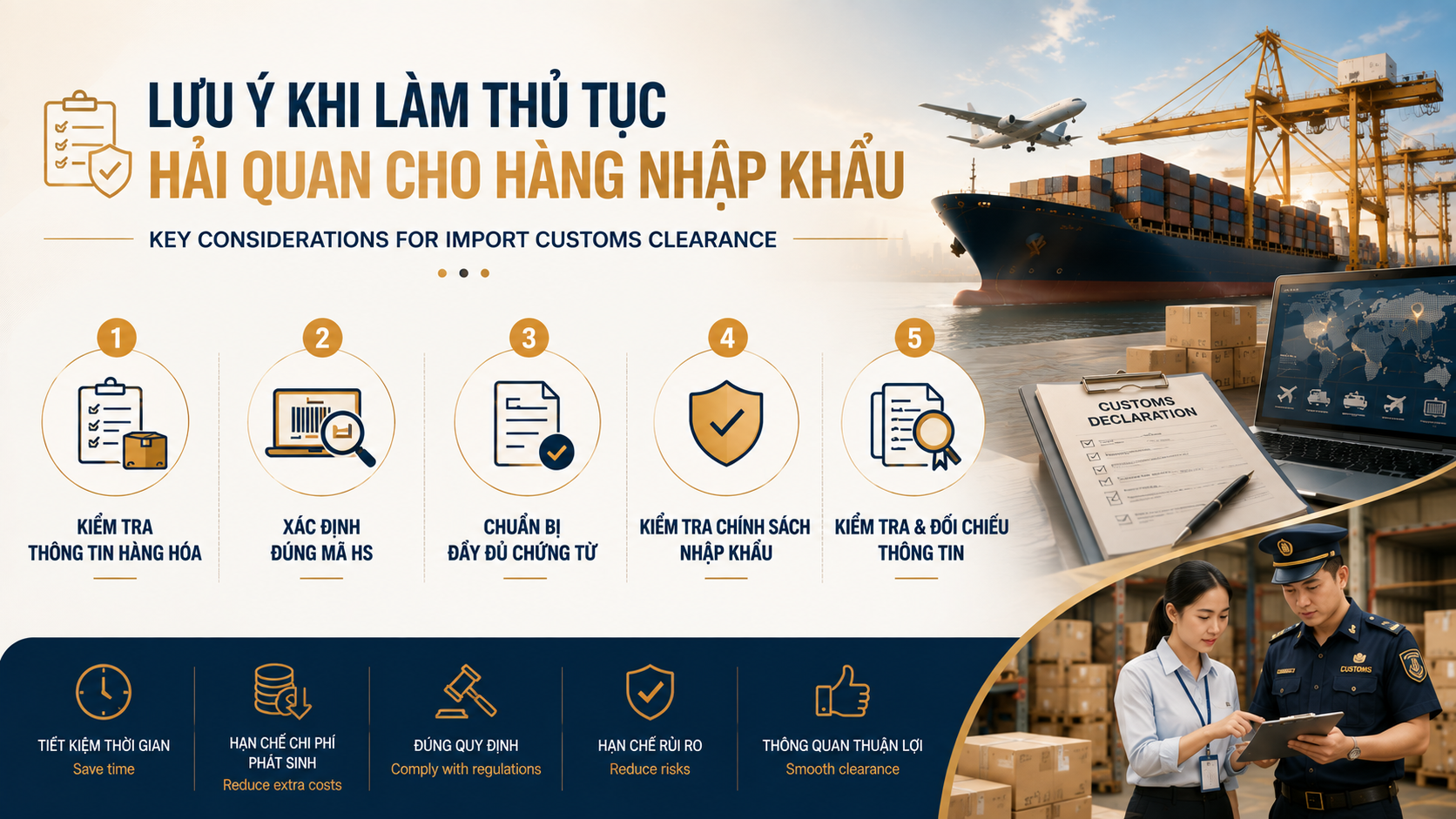
Key Considerations for Import Customs Clearance
Customs clearance is an important step in the import process, helping ensure that goods are cleared in compliance with regulations while minimizing delays and unexpected costs.
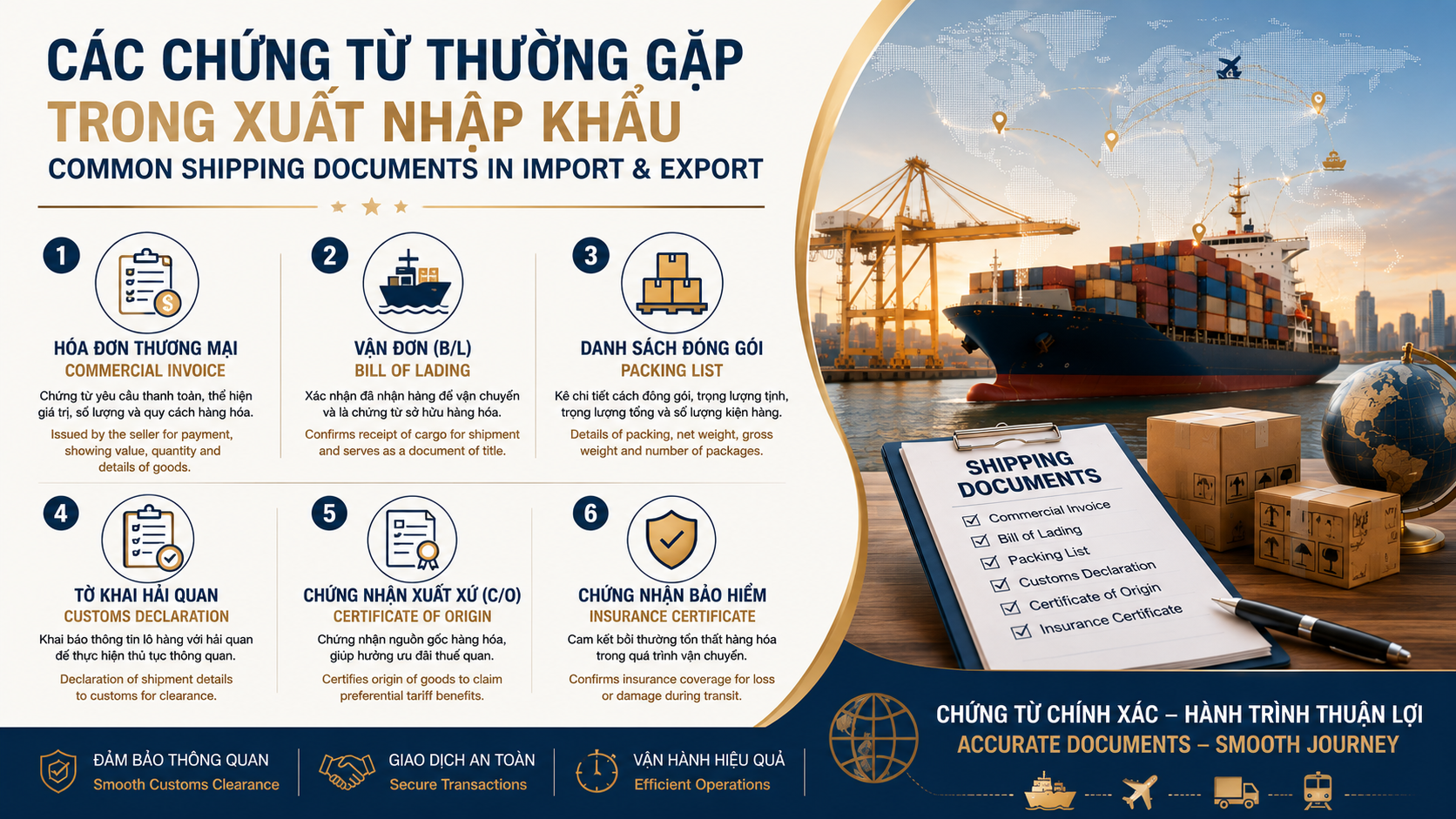
Common Documents in Import and Export
In international trade, documentation plays a crucial role in ensuring smooth customs clearance and secure transactions
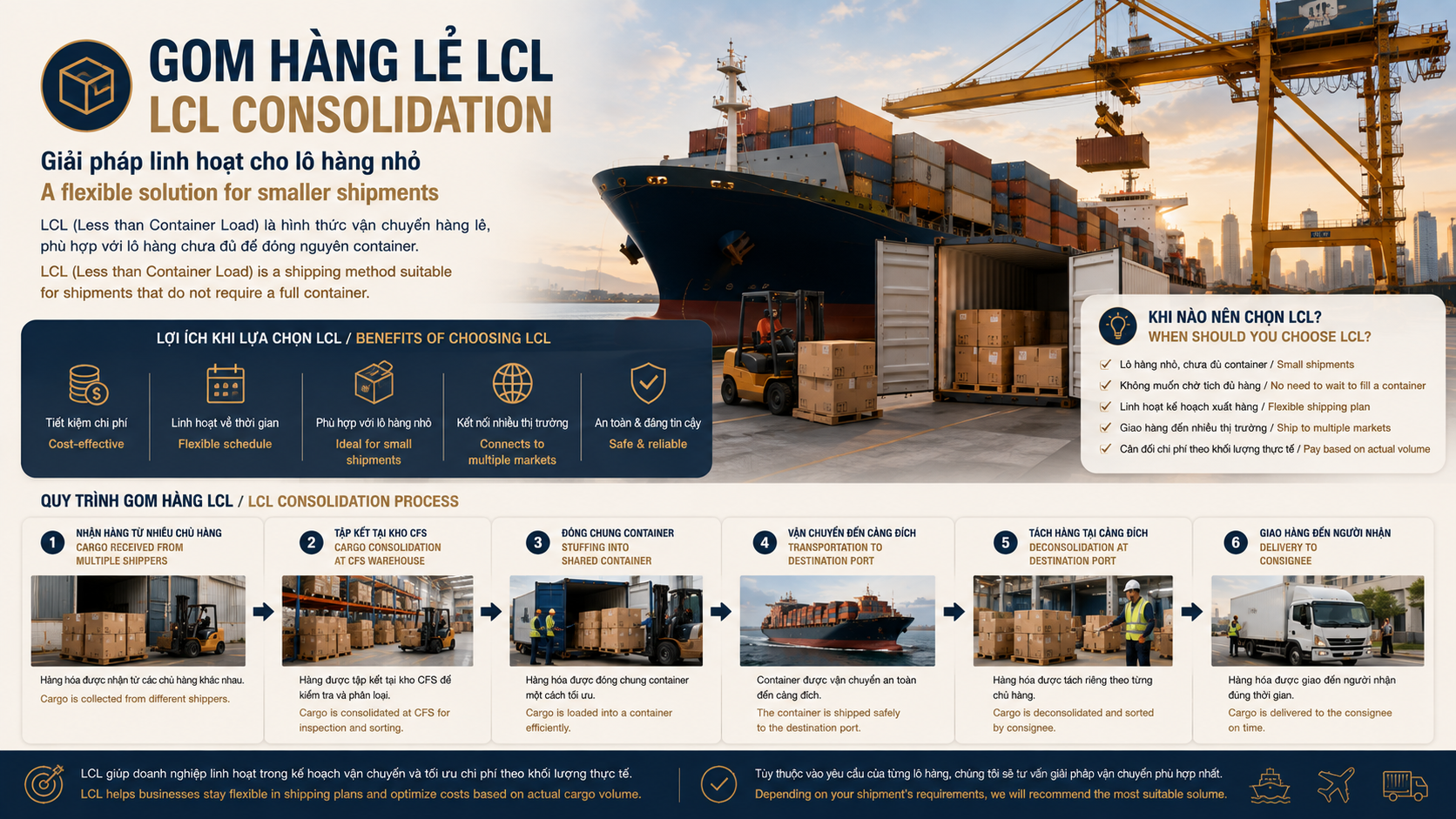
LCL Consolidation – A Flexible Solution for Smaller Shipments
- LCL (Less than Container Load) is a shipping method in which cargo from multiple shippers is consolidated and transported in the same container. It is suitable for shipments whose volume or quantity is not sufficient to fill a full container (FCL). - Instead of booking an entire container, businesses pay based on the space or volume their cargo occupies, making LCL a flexible option for transporting smaller shipments.
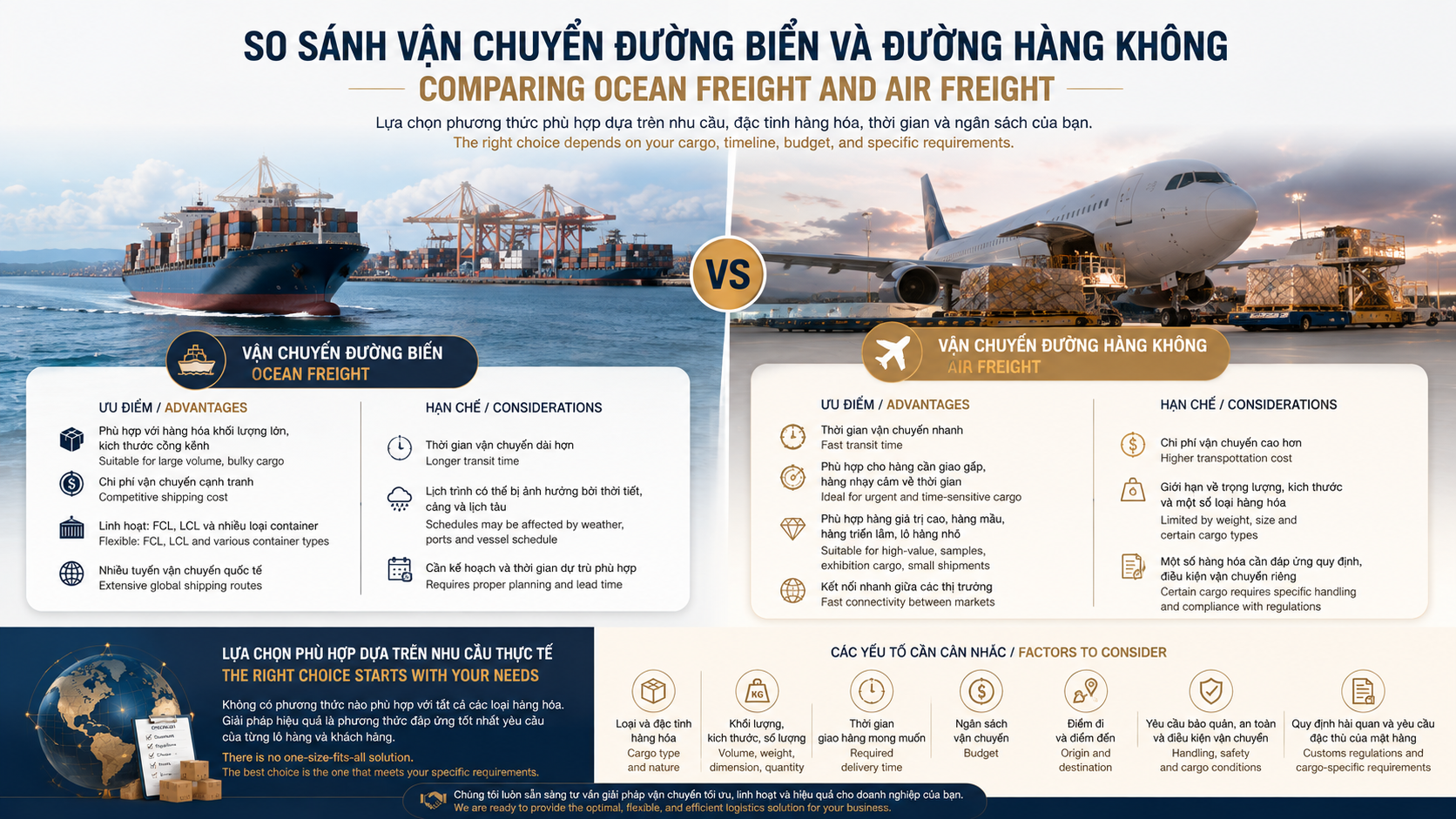
Sea Freight vs Air Freight: Which Should You Choose?
In international logistics, both ocean freight and air freight play important roles, with each mode offering its own advantages and limitations. Choosing the right transportation method should not be based on which mode is “better,” but rather on the type of cargo, shipment volume, delivery timeline, budget, and specific customer requirements.
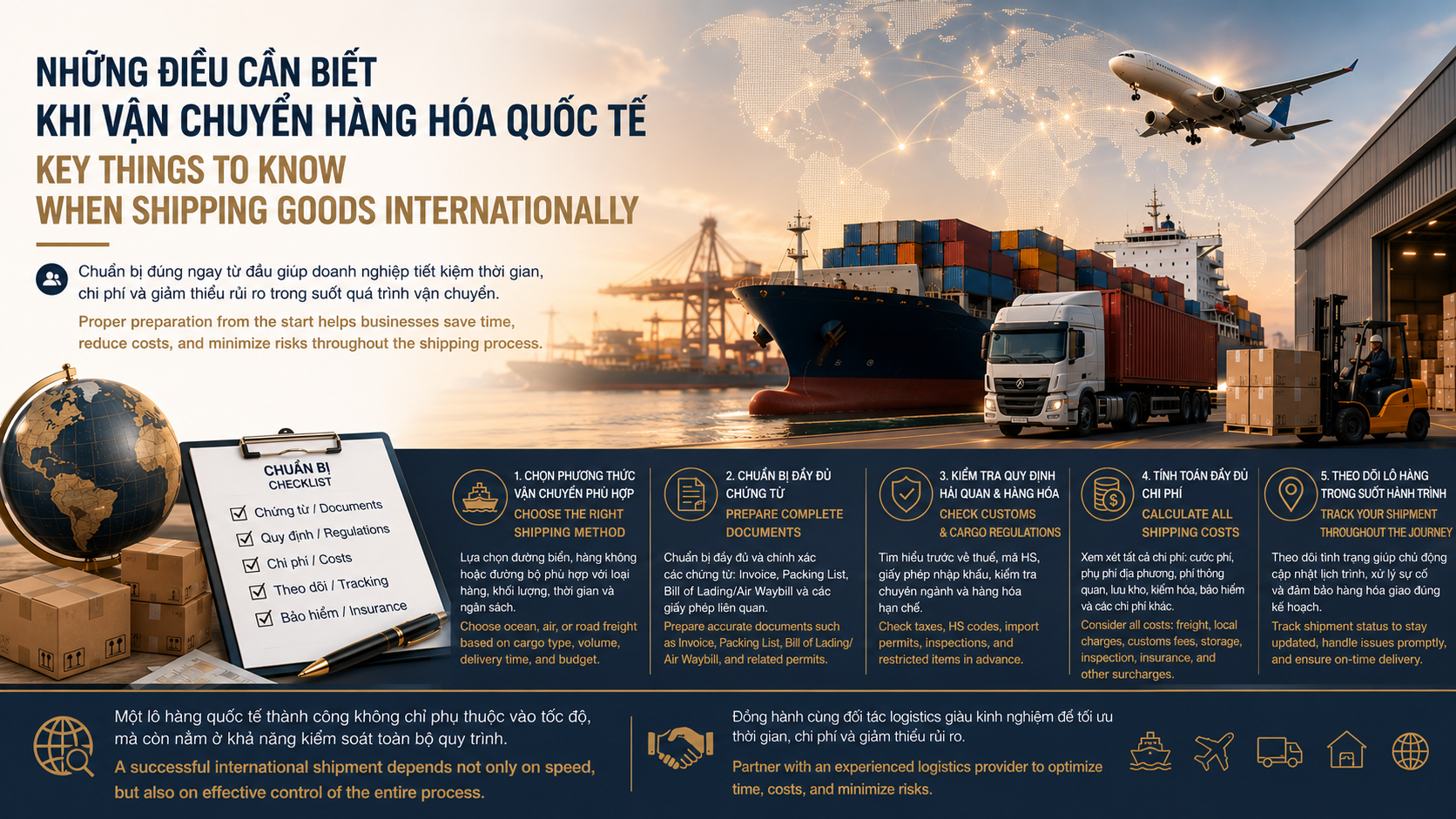
Key Things to Know When Shipping Goods Internationally
International shipping requires businesses to carefully prepare everything from documentation and transportation methods to customs requirements. Proper planning from the beginning helps minimize unexpected costs, delays, and risks throughout the shipping process.


